Your first 100 orders: a shipping guide for new online stores
From the first box to the first return — everything a new store needs to get delivery right, in one long read.
By BaridX team6 min read

Your store is live, the first products are up, and the first orders are about to arrive. This is the moment most new stores think about design, prices and advertising — and the moment delivery quietly decides whether those first customers ever come back.
This guide walks through everything between "order received" and "customer happy": where you ship from, how you pack, what goes on the label, how the parcel leaves, what the customer hears while it travels, and what to do when something goes wrong. It is long on purpose. Read it once now, and keep it for the day your hundredth order arrives.
Before the first order
Decide where you ship from
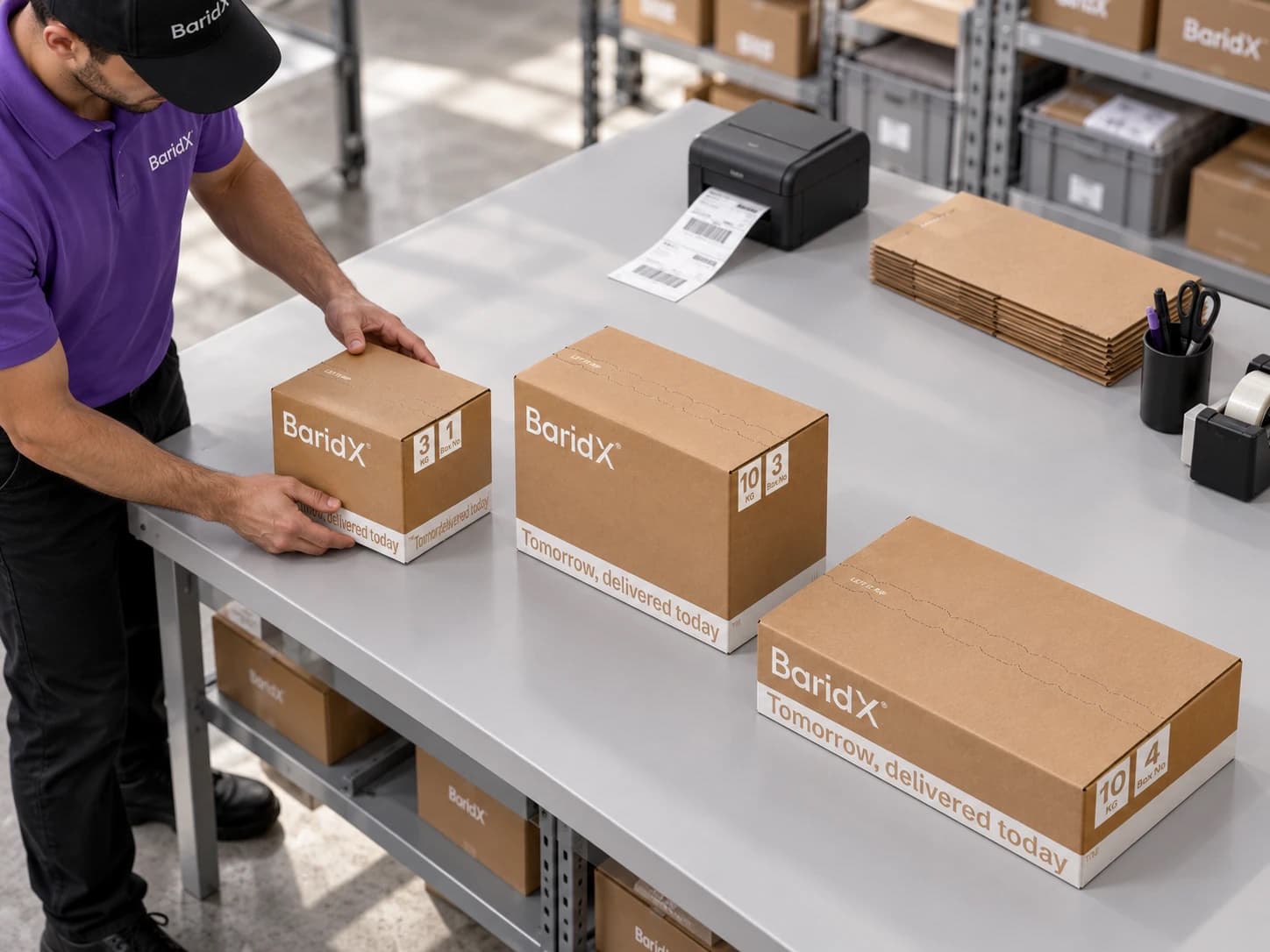
Most stores start from home or a small office, and that is fine. What matters is that every order leaves from one known place, at a known time. Pick a corner for packing, keep your boxes and tape there, and give it a fixed hour every day — even if, for now, that hour only sees two orders.
When orders grow, the same habit makes it easy to move: your carrier already knows where and when to collect, and your customers already know when to expect a parcel.
Choose your packaging once
Every new box size you add is one more thing to buy, store and think about. Start with as few as you can:
- One small box for most single items.
- One larger box for bundles and bigger products.
- A padded envelope for flat items that cannot break, such as clothes or prints.
- Filler — paper or air pillows — for every box, every time.
Buy a little more than you think you need. Running out of boxes on a busy day costs more than the space they take.
Packing that survives the trip
A parcel is lifted, stacked, moved by hand and carried to a door. It will be turned on its side and something heavier will sit on it at least once. Pack for that trip, not for the table you pack on.
Wrap each item on its own, fill every gap so nothing moves, and put the heaviest things at the bottom. Close the box with tape across every seam, top and bottom. If the box rattles when you shake it, open it and add more filler.

A word on presentation: a tidy box with a short thank-you card does more for your brand than an expensive printed box that arrives dented. Spend on protection first and decoration second.
Labels and paperwork
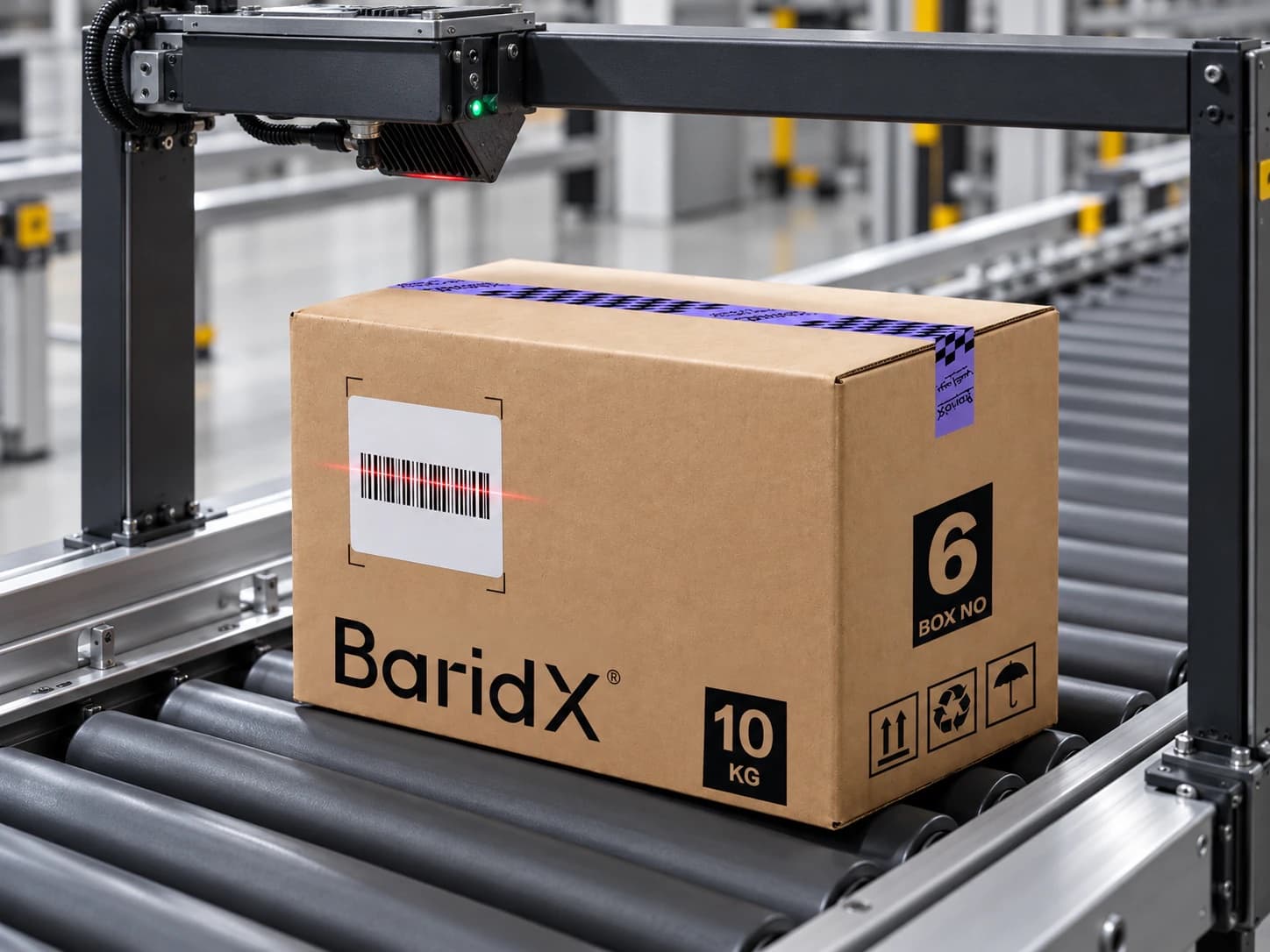
The label is how the network reads your parcel. A clear label gets it to the right door; a smudged or missing one sends it to a desk where someone has to work out what you meant.
- Print the label — do not handwrite it.
- Put it on the largest flat side, not across a seam.
- Remove or cover old labels and barcodes on reused boxes.
- Keep a copy of the tracking number with the order in your records.
If you send documents with the parcel — an invoice, a return form — put them inside, on top, where the customer sees them first when they open the box.
Pickup or drop-off
Booking a pickup saves you the trip, and it means your parcels start moving the same day. For a new store with a handful of orders, a daily pickup at a fixed time is usually the easiest rhythm. If you miss it, the orders wait until tomorrow — so plan your packing to finish before it, not after.
Dropping parcels off yourself can make sense when you are close to a branch and have only one or two orders. As soon as that becomes a daily errand, a pickup gives you that time back.
Tracking: say it before they ask
Most messages a store receives about delivery are the same question: where is my order? The way to answer it is before it is asked.
- When the order is shipped: a message with the tracking link.
- On the day of delivery: a message that the parcel is out for delivery.
- If anything changes: a message with the reason and the new day.
Customers forgive a late parcel they were told about. They rarely forgive one they had to chase.
Keep these messages short, friendly and in the customer's language. They are often the only words a customer reads from you between paying and receiving.
Cash on delivery
Many customers in the Kingdom still prefer to pay at the door, especially for a first order from a store they do not know yet. Offering it can make the difference between a visit and a sale.
It also brings a few things to watch: orders that are refused at the door, addresses that turn out to be incomplete, and the time it takes for the collected cash to reach you. Confirm cash orders with a short message before you ship them, and check how and when collected amounts are paid out to you, so your cash flow has no surprises.
When a delivery fails
Sometimes nobody is home, the phone does not answer, or the address cannot be found. Plan for it before it happens:
- Make the phone number a required field at checkout, and check it looks complete.
- Ask for a short address note — a building name, a landmark, a gate colour.
- Know how many attempts are made and what happens to the parcel afterwards.
- Reach out to the customer yourself after a failed attempt; a message from the store gets answered faster.
Returns
A return is the last impression a customer has of your store. Make the rules clear before they buy, make the first step easy, and refund quickly once the parcel is checked. A return that goes well is often the reason someone orders again.
Growing past the first hundred
The first hundred orders teach you more than any guide. Somewhere around them, the small habits you built start to matter more than the decisions you made on day one.
Look back at those orders and ask three questions. Which cities do your customers live in? Which products come back, and why? Which days and hours are busiest? The answers tell you where to keep stock, what to change in your packing, and when to book more pickups.
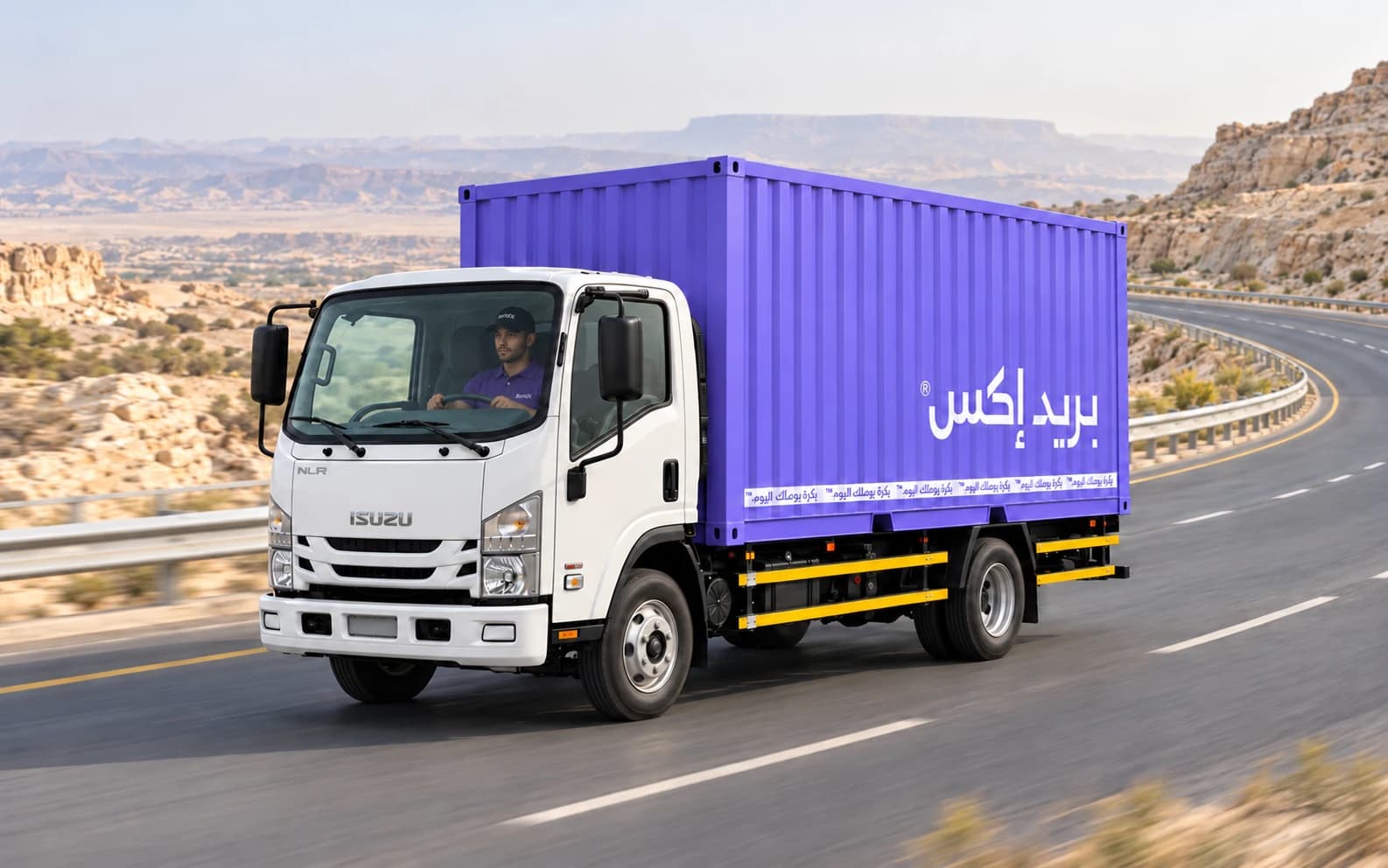
When the volume grows, three steps usually come next:
- A fixed pickup schedule agreed with your carrier, with more pickups on your busiest days.
- Stock closer to your customers, in a warehouse near your biggest cities, so more orders arrive the next day.
- One place to see everything — orders, shipments, returns and cash collected — instead of three spreadsheets.
A checklist to keep
- One packing corner, one packing hour.
- Two box sizes, a padded envelope, and filler.
- Every label printed, on the largest side.
- A tracking message for every order.
- Cash orders confirmed before they ship.
- A phone number and an address note on every order.
- A clear, easy return policy.
- A look back at your orders every month.
Ready to ship your first orders? See how BaridX works for stores — we will take it from there.
- guide
- e-commerce
- shipping
- new stores